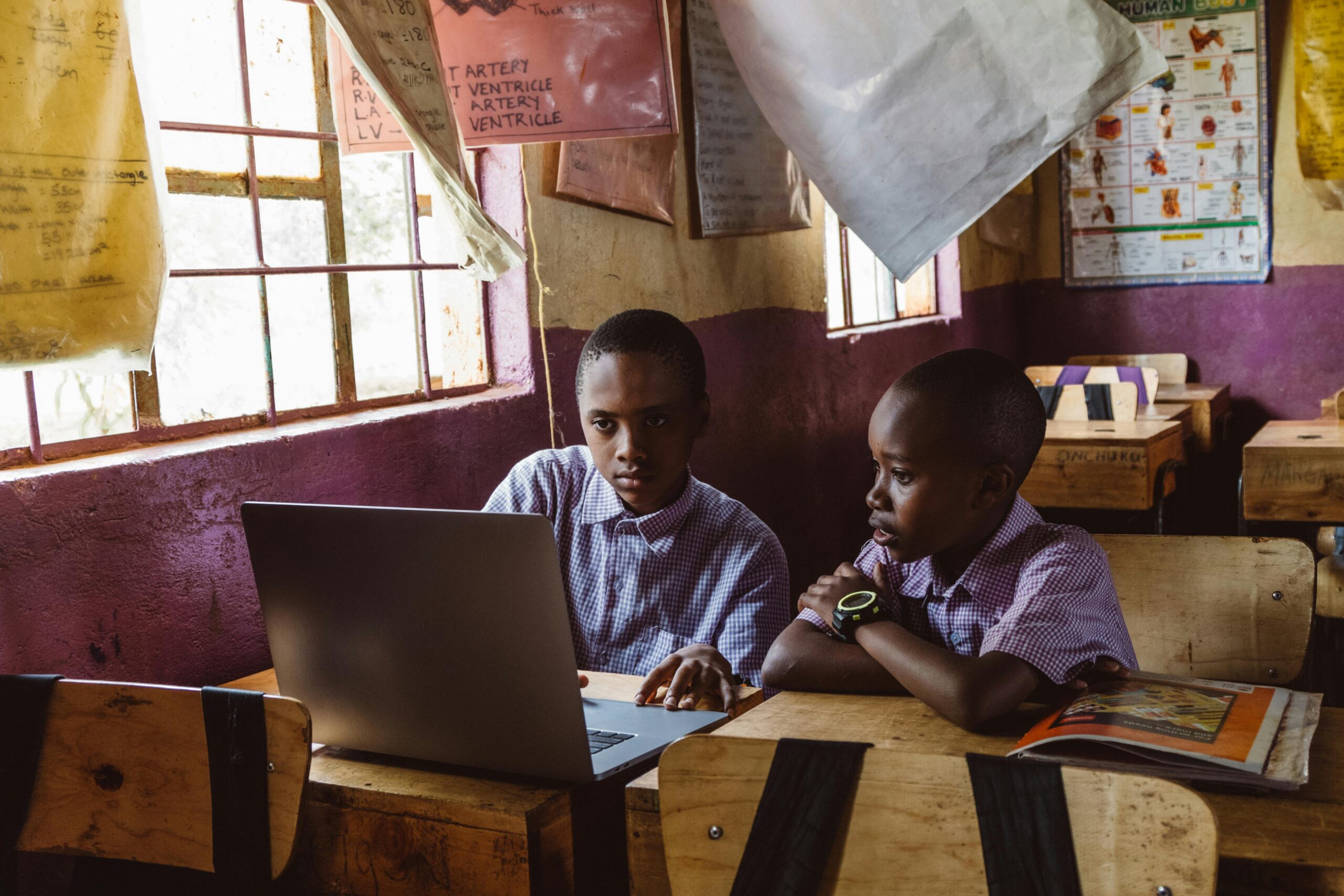
The digital divide in Zimbabwe is real. While some students in cities enjoy access to computers and reliable internet, many in rural areas still struggle to keep up. This gap makes it harder for thousands of young people to compete in education and in the job market. Affordable laptops could be the key to changing this story.
What Is the Digital Divide in Zimbabwe?

The digital divide simply refers to the gap between those who have access to modern technology and those who do not. In Zimbabwe, the divide is most visible between urban and rural communities. For instance, while many city schools may have computer labs, rural schools often lack basic infrastructure like electricity or internet.
Moreover, even where internet access is available, the cost of owning a personal computer remains too high for most families. As a result, many students cannot fully participate in the digital economy.
Why Laptops Matter More Than Phones
Most Zimbabweans own or have access to a smartphone. However, for students, a phone is not enough. A laptop allows learners to:
- Write assignments and long essays more efficiently.
- Create presentations and spreadsheets for class projects.
- Access e-learning platforms such as Google Classroom or Moodle.
- Learn vital digital skills like coding, design, and data analysis.
In addition, laptops prepare students for the workplace, where computer literacy is now a basic requirement. Phones are useful for communication, but laptops are essential for education and career development.
The Barrier: Cost of Laptops in Zimbabwe
Unfortunately, laptops remain out of reach for many families. Imported new laptops are expensive, often costing several hundred US dollars. For families earning below the national average income, buying such a device is simply not possible.
Even when schools receive donated computers, challenges still remain. For example, some donated devices end up unused because of power shortages, lack of internet, or limited training for teachers. Therefore, the real challenge is not only getting laptops into schools, but also ensuring that students can afford and actually use them effectively.
The Solution: Affordable & Refurbished Laptops
One of the most practical solutions lies in affordable and refurbished laptops. These are devices that have been used before but restored to good working condition.
Refurbished laptops offer several advantages:
- Lower cost: They are significantly cheaper than new models, making them accessible to more students.
- Reliable performance: Although they are not brand new, refurbished laptops are tested and upgraded to meet school and college needs.
- Eco-friendly: Extending the life of laptops reduces electronic waste and promotes sustainability.
Therefore, instead of waiting for donations or struggling to buy new devices, families and schools can consider refurbished laptops as a sustainable alternative.
The Role of Local Initiatives
This is where initiatives like Tusker Laptops come in. Our mission is to make reliable laptops affordable for students and underserved communities in Zimbabwe. While we are just at the beginning of this journey, our vision is clear: to support digital inclusion and ensure that no student is left behind.
In addition, Tusker Laptops aligns with Zimbabwe’s Smart Zimbabwe 2030 plan, which emphasizes digital transformation and inclusive access to technology. By making laptops available at lower prices, we aim to complement government and community efforts to close the digital gap.
The Bigger Picture: Education and Opportunity
When students gain access to affordable laptops, the benefits go far beyond classrooms. For example:
- Learners can take part in online education programs and improve their skills.
- Young people can explore freelancing opportunities such as writing, design, or programming.
- Communities can develop stronger participation in the digital economy.
Moreover, access to laptops empowers women and youth, who are often the most excluded from digital opportunities. As a result, the whole society benefits when more people are equipped with the tools they need to succeed.
Conclusion
The digital divide in Zimbabwe remains a serious challenge, but it is not impossible to overcome. With affordable laptops, students from both urban and rural areas can unlock opportunities for education, employment, and innovation.
At Tusker Laptops, we believe that every student deserves a chance to thrive in the digital age. Therefore, our mission is to make computing more accessible, reliable, and affordable for all.
👉 Are you looking for an affordable laptop in Zimbabwe? Explore our collection today and take the first step toward digital empowerment.